Every visitor needs an Electronic Travel Authorization (ETA) before travelling to Sri Lanka, and it cannot be obtained on arrival. Apply online through the official government website, up to three months before your trip. Since 25 May 2026, travellers from 40 eligible countries receive the 30-day tourist ETA free of charge, while other nationalities pay the standard fee. Your passport should be valid for at least six months, and it helps to carry your flight details and first hotel name. Planning to stay longer than 30 days? You can apply for an extension in Colombo. Rules can change, so please confirm on the official site or ask us anytime.
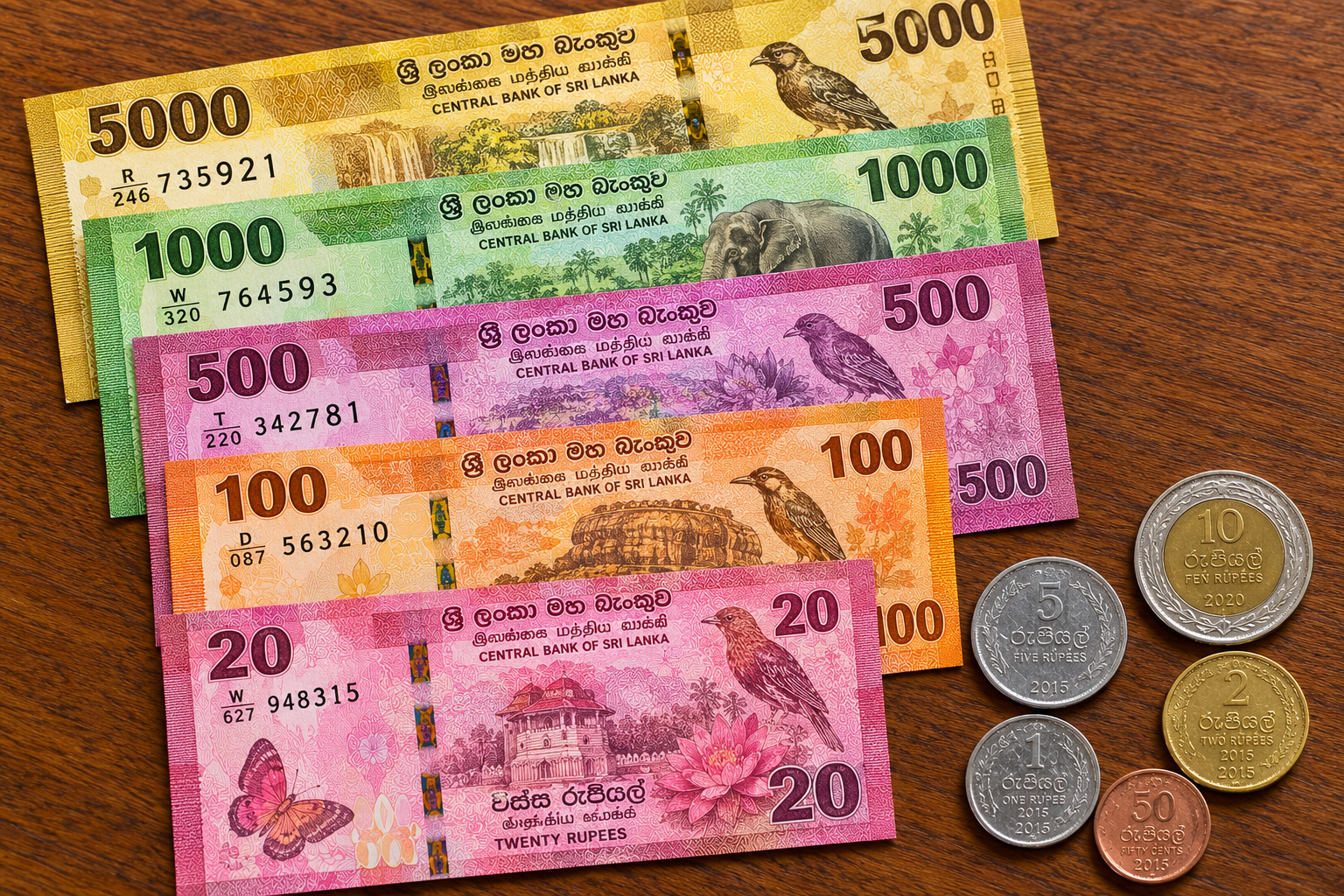
Sri Lanka's currency is the Sri Lankan Rupee (LKR). You can exchange money at the airport, banks and licensed money changers, and ATMs are common in towns. Larger hotels, restaurants and shops accept Visa and Mastercard, but small eateries, village shops, tuk-tuks and temple donations usually need cash, so carry small notes. Always exchange at licensed counters and keep your receipts, never with street offers. Tell your bank you are travelling so your card is not blocked. Some attractions and safaris quote prices in US dollars, and your guide can explain exactly what to pay. Exchange rates change daily, so check the current rate before you land.
Sri Lanka runs on 230 volts and 50 Hz, the same as the UK, Europe and Australia. Sockets are mostly the three-round-pin Type D and the three-flat-pin Type G, and many hotels also have multi-standard sockets. Travellers from the USA, Canada and Japan should bring a universal adaptor, and check that phones and hair dryers support 230 volts, as some 110-volt devices can burn out. Most modern chargers and laptops are dual-voltage, so an adaptor is all you need. Power cuts are rare today, but a small power bank is handy on long drives, hikes and safari days. Pack an extension lead too, because hotel sockets can be limited.
Staying connected in Sri Lanka is easy and affordable. Most hotels, cafes and guesthouses offer free Wi-Fi, though speeds can dip in remote hill country and near national parks. For reliable data, buy a tourist SIM card at the airport arrivals hall from providers such as Dialog or SLT-Mobitel. Bring your passport, as registration is required, and staff will set it up for you within minutes. If your phone supports eSIM, you can also buy a Sri Lanka data plan before you fly and connect on landing. Data is cheap compared with Europe or America, so you can share photos, use maps and call home without worry.
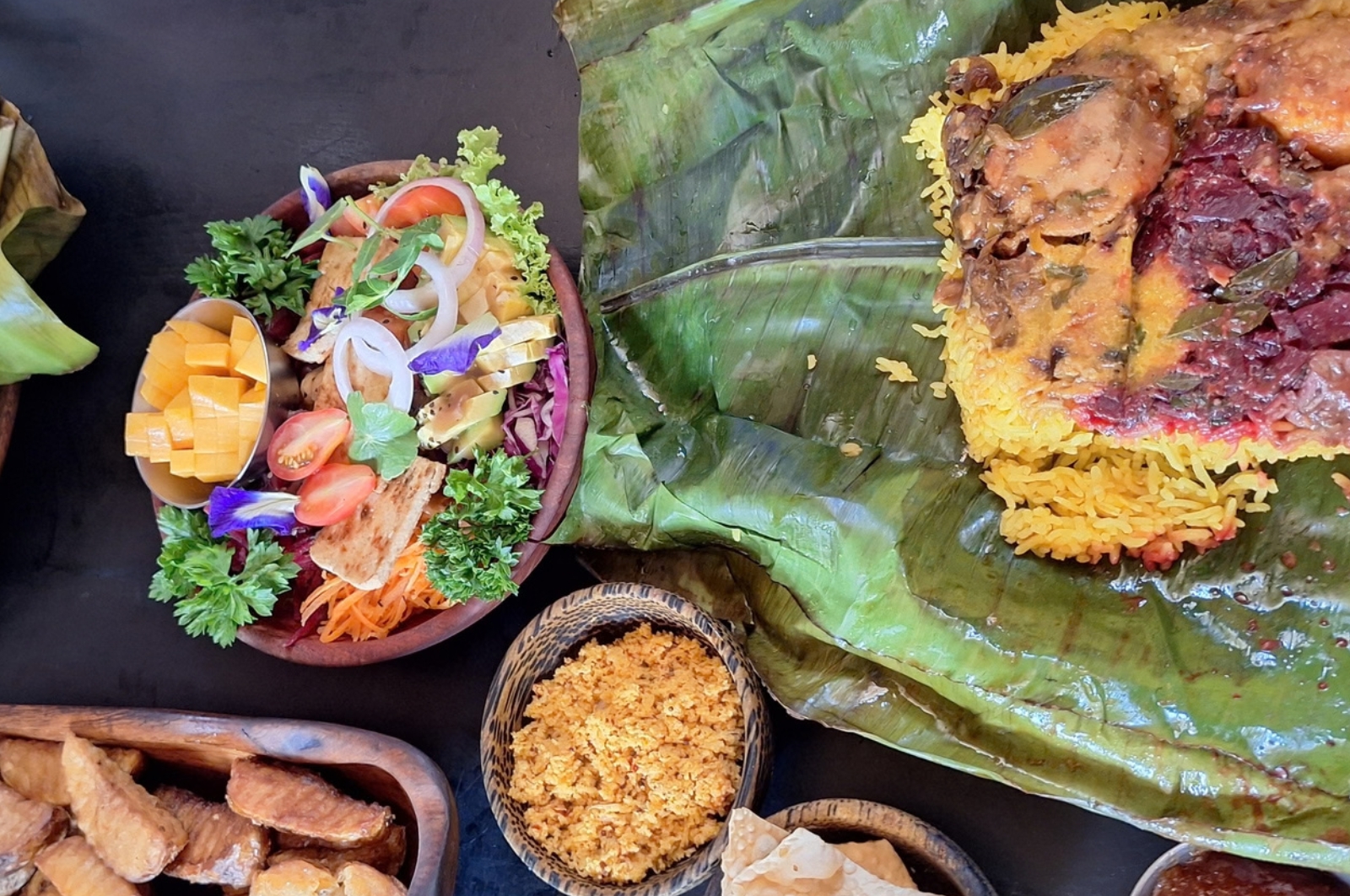
Sri Lankan food is famously flavourful and often spicy, but you decide the heat. Rice and curry arrives with several small dishes, and the chilli level can vary. When ordering, smile and say "less spicy, please" or "mild, no chilli," and ask for the sambol or chill-paste on the side so you can add heat slowly. Most hotels and restaurants used to visitors will happily adjust. Kottu, Fired Rice, string hoppers and fresh seafood are delicious and can be made milder too. If your mouth is burning, skip the water (Hot water is the best as it is the Sri Lankan way) and try plain rice, curd, banana instead. Your Edlee Tours guide will always help you order with confidence.
Sri Lanka has no true off season, because two monsoons bring rain to different coasts at different times. From December to April (Mid May), the south and west beaches around Galle, Mirissa and Bentota are dry and sunny. From May to September, the east coast near Trincomalee and Arugam Bay shines, while the ancient cities and wildlife parks stay warm and mostly dry. The hill country around Ella and Nuwara Eliya is loveliest from January to April. In every month, some part of the island is at its best. Share your travel dates with us, and we will design a route that follows the sunshine.
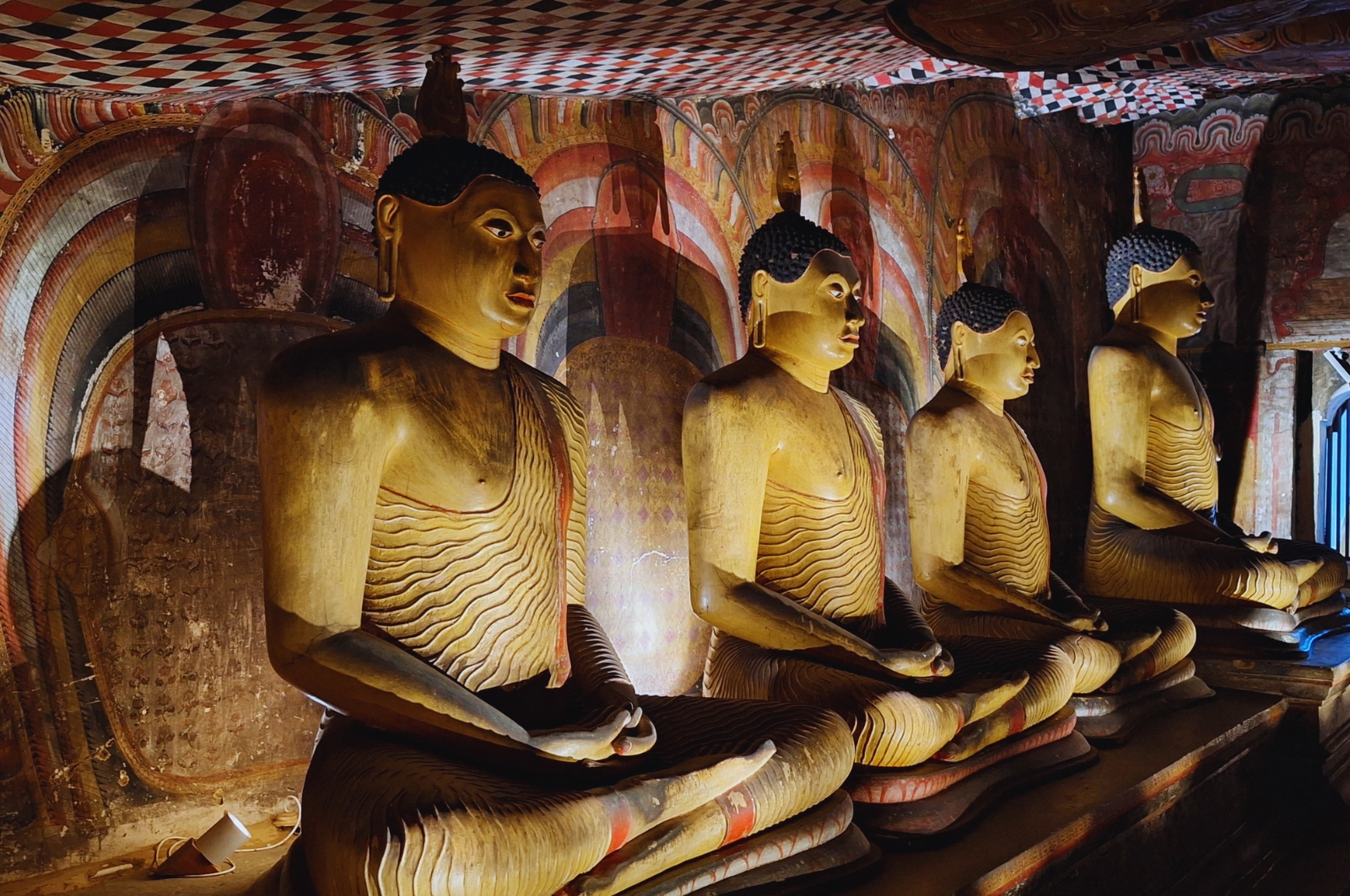
Temples, kovils, mosques and churches are living places of worship, so please dress and behave respectfully. Cover your shoulders and knees, and carry a light scarf or sarong for quick cover. Remove shoes and hats before entering, so wear easy slip-on sandals, and bring socks, because stone floors get scorching at midday. Never pose with your back to a Buddha statue, and never sit, climb or touch it. Avoid clothing or tattoos showing the Buddha's image, as this can offend. Speak softly and ask permission before photographing monks or ceremonies. Your guide will explain every custom, so you can visit with confidence and respect.
Distances look short on the map, but roads are winding and busy, so a 100-kilometre journey can easily take three hours or more. Plan realistic days and enjoy the ride. Most visitors choose a private air-conditioned car with an English-speaking driver-guide, which is comfortable, flexible and stress-free. Public buses are cheap but crowded, especially with luggage. Driving yourself requires a temporary local licence and confidence with left-side traffic and it is not easy to drive around Sri Lanka as road rules are so different, so we usually recommend a professional driver instead.
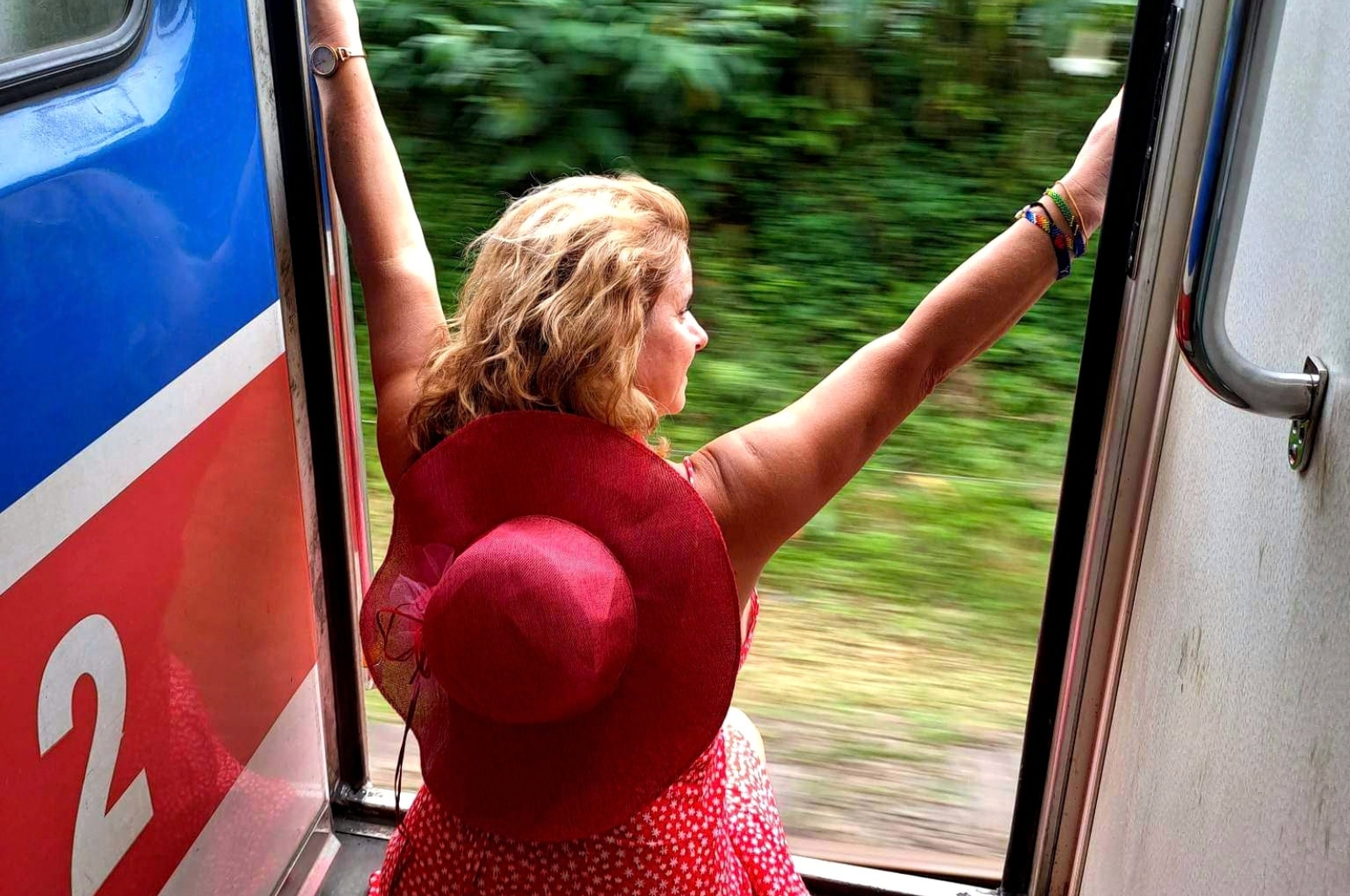
The train ride from Nanu Oya to Ella is a highlight of any Sri Lanka holiday, rolling past tea estates, waterfalls and misty mountains. However, reserved seats sell out quickly all year. So book well before you travel. Tickets can be reserved online or through your tour operator. In order to do so need copy of passport for each traveler and need to book tickets 30 days before.. Carry snacks, water and a light jacket for cool hill country air. If you stand at an open door for photos, hold on tightly and stay alert. A professional driver will always guide you with correct instructions.
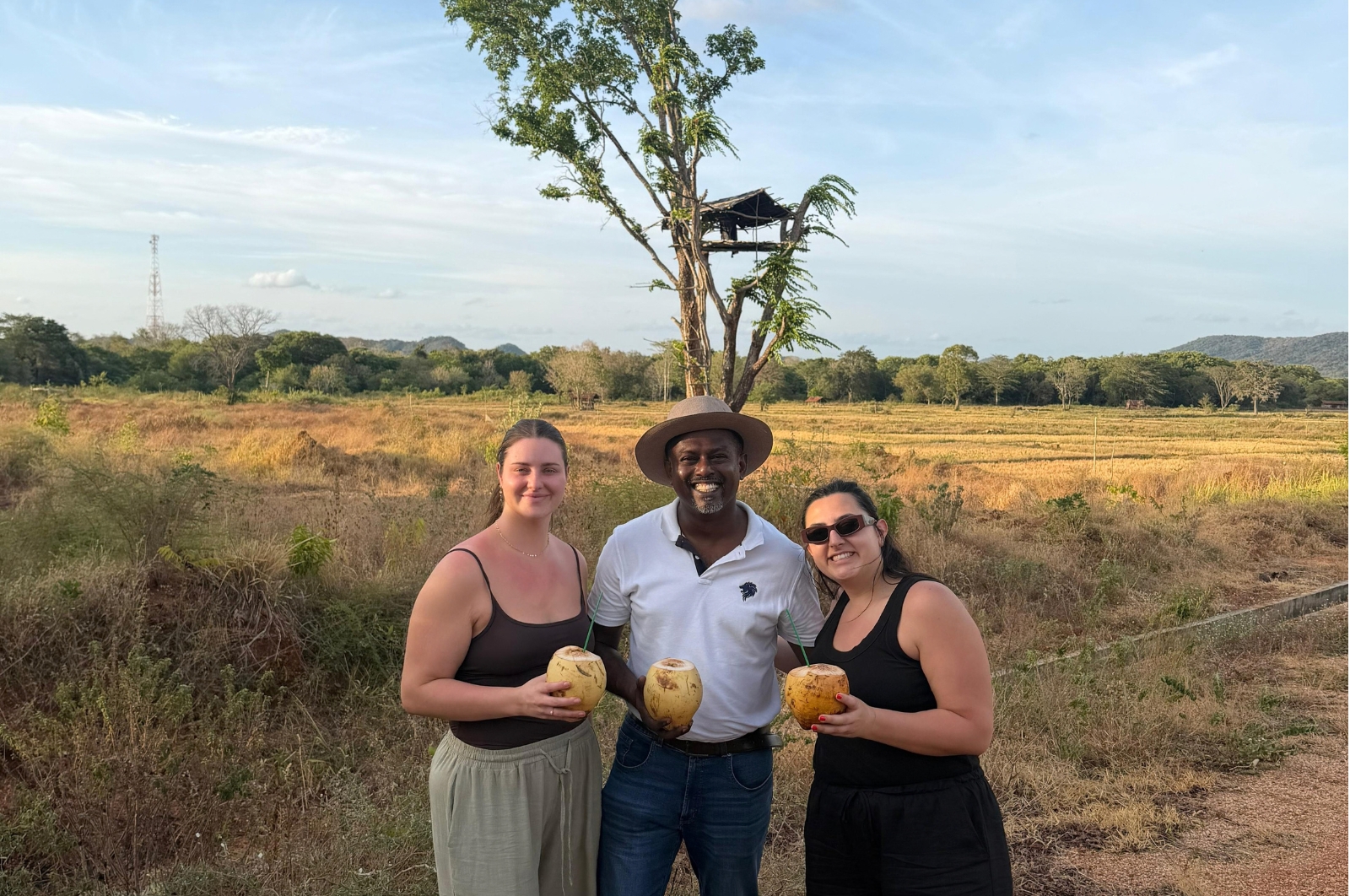
Please avoid tap water and drink only sealed bottled or filtered water. Fresh king coconut is a safe, refreshing treat. Ask your doctor about routine vaccinations well before departure, and carry regular medicines in their original packaging. Mosquitoes can be active around dusk, so pack repellent and wear light long sleeves in the evening. Pharmacies are easy to find, and private hospitals in Colombo and other major cities offer good care. Travel insurance covering medical costs is really imporatant. Keep your policy number handy, and tell your guide about any allergies or health needs before the tour starts.
Sri Lanka is welcoming and generally safe, and most people you meet will be warm and helpful. Still, a few tourist tricks exist. Be careful with strangers who say a temple or attraction is closed and then steer you elsewhere At beaches, currents can be strong, so swim only where flags or lifeguards say it is safe. Solo and women travellers usually feel comfortable, especially when dressing modestly. Save the 119 police emergency number and your tour operator's contact details.
Tipping is appreciated but never forced. Many restaurants add a ten percent service charge, so check your bill, and if it is not included, ten percent is a kind gesture. Porters and housekeeping appreciate a small note. For drivers and guides who look after you for several days, a tip at the end of the trip is customary and greatly valued. Bargaining is normal in markets, with tuk-tuks and at roadside stalls, but always do it with a friendly smile. Do not haggle in fixed-price shops or restaurants. If something is truly special, pay a fair price and support the maker directly.
Sinhala and Tamil are Sri Lanka's main languages, and English is widely understood in hotels, restaurants and tourist areas. Learning a few words brings instant smiles. Say "Ayubowan," meaning "may you live long," with palms pressed together, and "Vanakkam" is the Tamil greeting. "Stuthi" means thank you in Sinhala, and "Nandri" in Tamil. Keep in mind that a gentle side-to-side head wobble usually means yes, okay or I understand, not no. Sri Lankans are naturally curious and may ask where you are from, whether you are married or how old you are. It is simply friendly interest, so answer with a smile and ask them back.
Every full moon is a Poya day, a religious public holiday in Sri Lanka. Alcohol is not sold, many bars and shops close, and temples fill with white-clad devotees, which is a beautiful sight to see. Plan your dinners and shopping accordingly, and buy drinks a day earlier if you wish. Trains, buses and hotels get busier around Poya weekends and big festivals such as Sinhala and Tamil New Year in April, Vesak in May and the Kandy Esala Perahera in July or August. These are magical times to visit, but please book early. Tell us your travel month, and we will share the Poya dates.
Pack light, breathable cotton clothes for the coast and plains, plus a fleece or light jacket for chilly evenings in Nuwara Eliya and Ella. Bring a compact rain jacket, sun hat, sunglasses, high-SPF sunscreen and insect repellent. Comfortable walking shoes suit hikes such as Sigiriya, Pidurangala and Ella Rock, while sandals are easy for beaches and temples. For safaris, choose neutral colours like khaki and green, and bring binoculars. A power bank, reusable water bottle, small torch and dry bag are useful too, along with a small daypack for excursions. Keep modest temple clothing handy, and leave suitcase space for Ceylon tea, spices and handmade souvenirs.
Let us help you plan the perfect trip with all the insider knowledge